Logbook Entries
This page covers Task D. Logbook Entries Related to Instrument Instruction from the FAA-S-8081-9E Flight Instructor Instrument Practical Test Standards.
Logbook Entries or Training Records for Instrument Flight / Instruction
- 14 CFR §61.51 Pilot logbooks requires pilots to log training time and aeronautical experience used to meet the requirements for an instrument rating and the recent flight experience required by 14 CFR §61.57 Recent flight experience: Pilot in command
- Instrument flight time (simulated or actual) can be logged when the pilot operates aircraft solely by reference to instruments
- CFII can log PIC time regardless of meteorological conditions when acting as as instructor
Safety Pilot Regulations
In the discussion around the use of a safety pilot a key question that must be answered prior to initiating the flight is: who is the acting PIC for the flight. The safety pilot can (under certain conditions) act as the PIC, or the pilot under the foggles may be PIC. In any case, when a safety pilot is used in VMC, they are a required crew member. The following bullets are true regardless of the designation of acting PIC.
- A safety pilot is required when flying under foggles.
- The safety pilot must be at least a private pilot with appropriate category and class rating.
- Regardless whether or not the safety pilot is acting PIC they do need a medical to serve as a required crewmember.
- 14 CFR §61.3(c)(1)
- 14 CFR §61.23(a)(3)(ii)
- BasicMed works
- TODO@dwiese - INSERT CITATION HERE
- The pilot under the foggles gets to log PIC time when they are the sole manipulator of the flight controls.
- 14 CFR §61.51(e)(i)
- This assumes the pilot under the foggles is rated in the aircraft being flow.
There are some additional regulations in 14 CFR §91.109 that are probably less likely, but may be encountered in real life, for example requirements around dual controls.
Sole Manipulator of the Flight Controls
Before moving on to designation of the acting PIC, it's important to be clear on the following:
- The sole manipulator of the flight controls can log PIC time, whether they are instrument rated or not and regardless of weather conditions.
- So this is the only requirement in order to log approaches and other procedures towards currency.
Designating the Acting PIC
Now we look at how requirements change depending on who is the acting PIC.
Safety Pilot is Acting PIC
If the safety pilot is acting PIC then:
- Safety pilot needs a current flight review to act as PIC.
- The safety pilot needs complex / high performance endorsements as appropriate to act as PIC.
- The safety pilot gets to log PIC time when they other pilot is under the foggles or if the safety pilot is manipulating the flight controls.
Pilot Under Foggles is the Acting PIC
- The safety pilot can log SIC time as a required crewmember.
Flight in Actual IMC
- Whoever is the acting PIC must be instrument rated.
- Whoever is the acting PIC must be instrument current.
- Whoever is the sole manipulator of the flight controls can log PIC time.
- Both pilots are not required under IMC, so there is no provision for both pilots to log; only the sole manipulator of the flight controls can log that time as PIC.
Discussion
The question as to whether the safety pilot can legally act as PIC is an important one with real consequences. There may be limitations (e.g. insurance or rental agreements) that prevent the safety pilot from acting as PIC.
14 CFR §1.1 - Pilot in command
Has been designated as pilot in command before or during the flight
So pilot-in-command designation can change during the flight, but this should be briefed so there is zero ambiguity about who is acting PIC at any point in the flight.
While a pilot can log PIC time and approaches in actual IMC with an instrument rated pilot who is acting PIC, this doesn't mean this is a good idea.
- Regardless of the above, if instrument currency is lost and the so-called "grace period" is past, an IPC is required.
More Information
- Glenn 2009
- Gebhart 2009
- Creech 2013
- Hicks 1993
- Rizner 1991
- Beaty 2013
- Walker 2011 Legal Interpretation
- Speranza 2009 Legal Interpretation
Logging Instrument Time
- Logging instrument time
- 14 CFR 61.51(g)
- CFII can log time in IMC as instrument time
- CFII logs any time they are giving instruction as PIC
- Safety pilot
- Needs to be rated in same category and class
- Instrument Proficiency Check
Logging approaches
- When can a pilot log an instrument approach in IMC? When under foggles?
- Actual IMC in an airplane past FAF
- Simulated IMC all the way down to minimums
- When can a CFII log an instrument approach?
- A flight instructor may log an IAP conducted by the student in actual IMC
- INFO 15012 - Logging Instrument Approach Procedures (IAP)
Logging Simulator Time
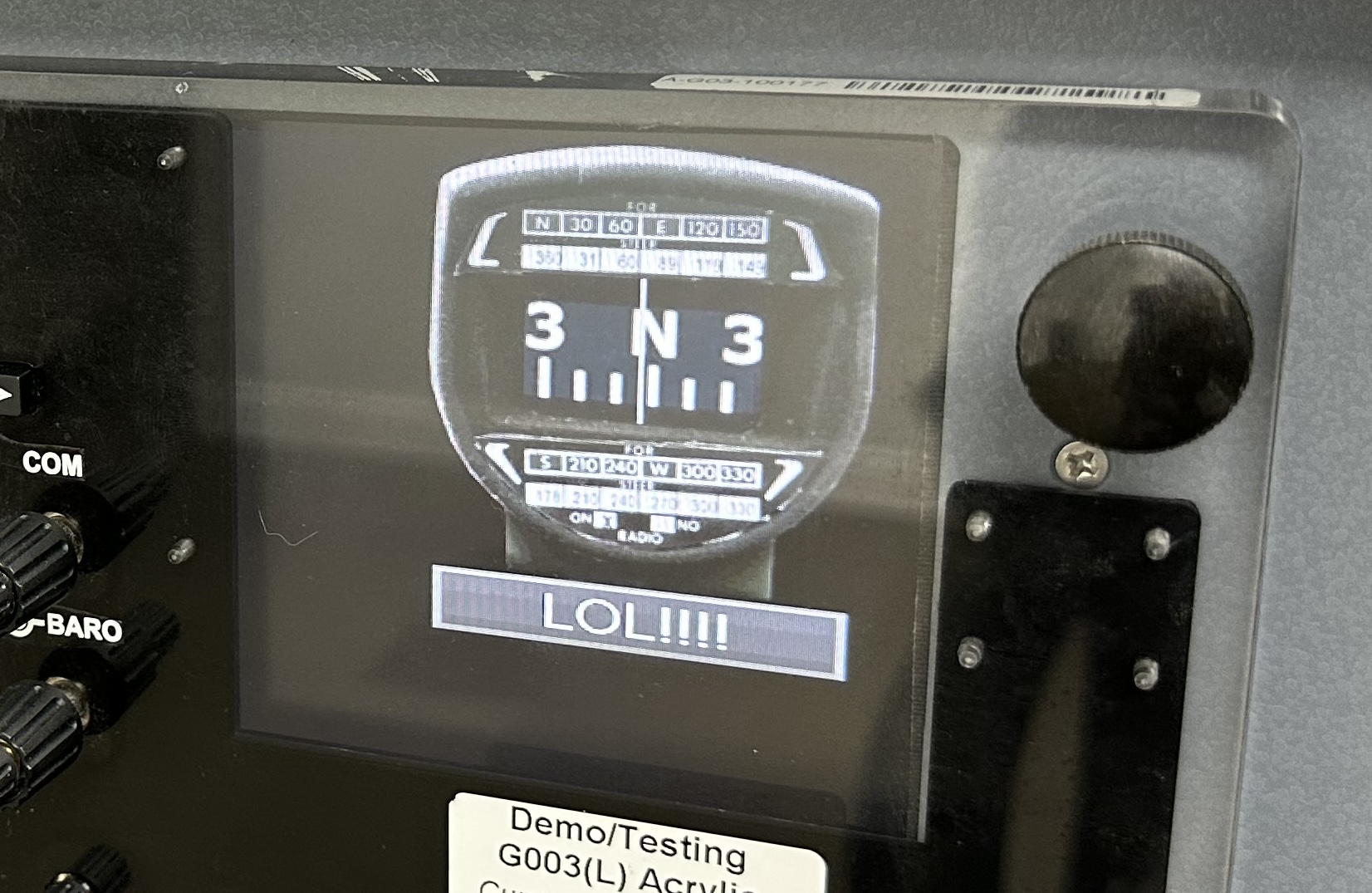
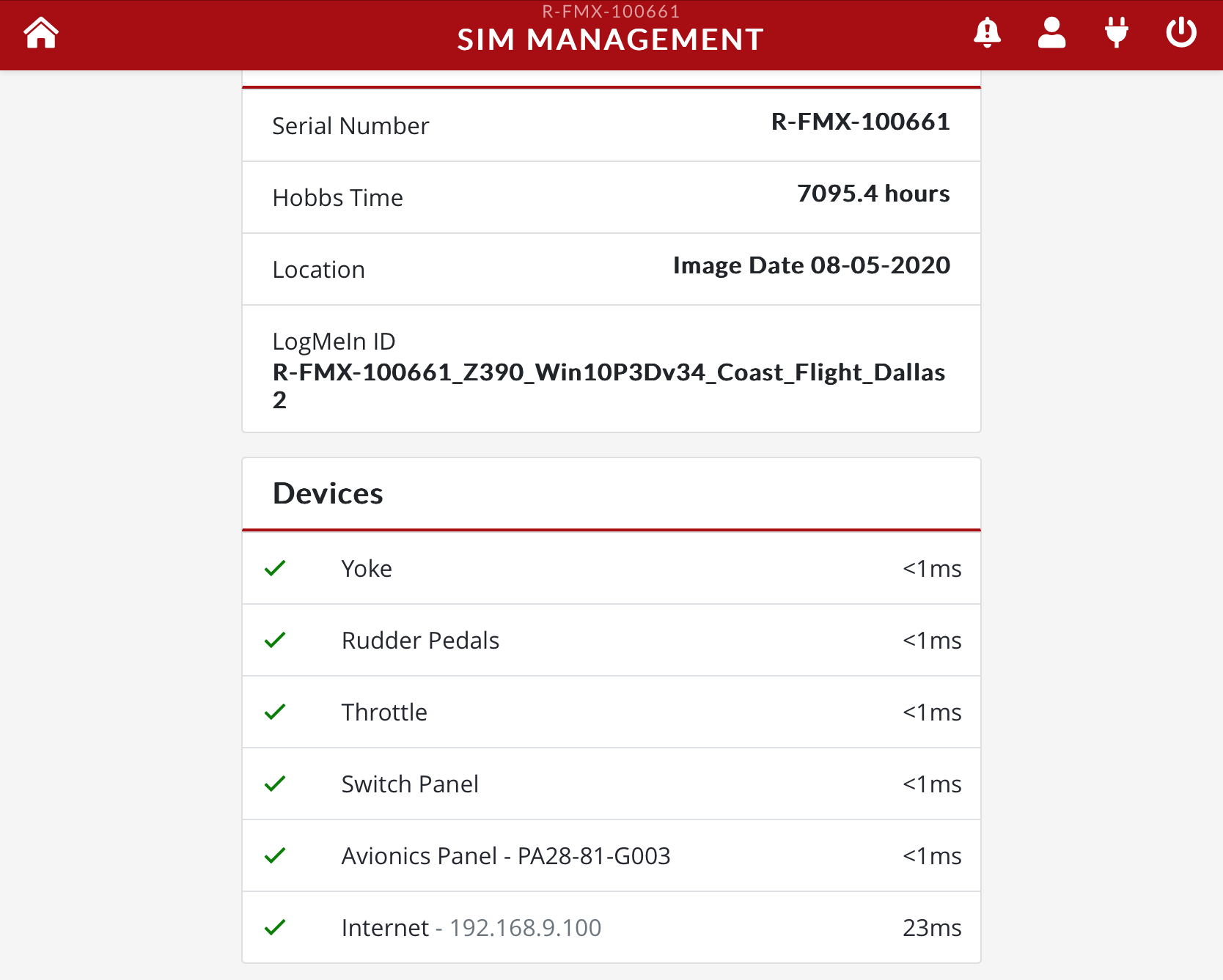
- To satisfy logging the "type and identification" requirement when logging simulator time in Redbird AATD, the tail number does not satisfy the identification requirement as it is a user-configurable field that can be changed
- Use the serial number
- Log the type of aircraft the simulator represents
- Consider logging the avionics package used as well
- 14 CFR §61.51(b)(1)(iv)
Endorsements
- Instrument knowledge or practical test
- Knowledge test deficiency review and 3 hours flight training in the 2 calendar months before practical test
- Endorsement to retest after failure (either knowledge or practical)
- Keep date, name of student, test, and result for 3 years
- Note: put flight reviews and IPCs in IACRA
Preparation of a Recommendation for an Instrument Rating Practical Test
- Requirements under Part 61 are in 14 CFR §61.65 Instrument rating requirements
- FAA-AC-61-65J Certification: Pilots and Flight and Ground Instructors gives the two required endorsements
- One says the pilot has received the required training and is ready to take the test
- The other says the pilot has received the required training within 2 months of the practical test, and that we have reviewed deficiencies on knowledge test
- Requirements under 141
- 35 hours of flight training instrument time
- Includes 14 training device hours
- 35 hours of flight training instrument time
Required Logbook Endorsement for Satisfactory Completion of an IPC
- FAA-AC-61-65J Certification: Pilots and Flight and Ground Instructors gives the required endorsement upon satisfactory completion of an IPC
- No logbook entry reflecting unsatisfactory performance is required - just log it as dual given
- FAA-AC-61-98E Currency Requirements and Guidance for the Flight Review and Instrument Proficiency Check
- See also Instrument ACS for IPC requirements
IPC Overview
The flight instructor determines that the pilot has adequate knowledge and understanding of the following areas:
- Instrument en route and approach chart interpretation
- Standard Instrument Departures (SID)
- Obstacle Departure Procedures (ODP)
- Standard Terminal Arrival Routes (STAR)
- Area Navigation (RNAV) / Global Positioning System (GPS) / wide area augmentation system (WAAS) procedures
- Obtaining and analyzing weather information
- Including knowledge of hazardous weather phenomena, such as icing and convective activity.
- Preflight planning, including
- Aircraft performance
- Notices to Airmen (NOTAM) information (including temporary flight restrictions (TFR))
- Fuel requirements
- Alternate requirements
- Use of appropriate FAA publications such as the Airport/Facility Directory (A/FD)
- Aircraft systems related to IFR operations, including appropriate operating methods, limitations, and emergency procedures due to equipment failure.
- Aircraft flight instruments and navigation equipment, including characteristics, limitations, operating techniques, and emergency procedures due to malfunction or failure, such as lost communications and automation failure procedures.
- Determining the airworthiness of the aircraft for instrument flight, including required inspections and documents.
- Air traffic control (ATC) procedures pertinent to flight under IFR, with emphasis on elements of ATC clearances and pilot/controller responsibilities.
- A general working knowledge of aerodynamic principles relating to angle of attack (AOA) and the purpose, operation, and limitations of AOA indicators (if installed).
- Circling approach done in AATD cannot count toward IPC requirement
- IPC References
- FAA-H-8083-15B Instrument Flying Handbook
- FAA-H-8083-16B Instrument Procedures Handbook
- FAA-AC-61-98E Currency Requirements and Guidance for the Flight Review and Instrument Proficiency Check
- 14 CFR §61.57(d) Instrument proficiency check describes the requirements for an IPC.
- See also Instrument ACS for IPC requirements
- An IPC is required when instrument currency lapses, where instrument currency is maintained by the following in last 6 months
- Instrument currency requirements (66 HIT)
- 14 CFR 61.57(c)
- Per aircraft category
- e.g. airplane, helicopter
- Within preceding 6 calendar months
- 6 - Six instrument approaches
- H - Holding procedures and tasks
- I - Intercepting and
- T - Tracking courses through the use of navigational electronic systems
Required Flight Instructor Records
- 14 CFR §61.189 Flight instructor records
- Sign logbook of pilot any time flight training is given
- In addition to requirements for CFI (e.g. citizenship verification, knowledge and practical test endorsements, solo endorsements) CFII also needs to keep record of knowledge and practical test endorsements for instrument exams
- Need to keep the records for 3 years