Preflight Assessment
This page covers Task A. Preflight Assessment from the FAA-S-ACS-6C Private Pilot Airman Certification Standards.
Pilot self-assessment
- Use the IMSAFE checklist
- I - Illness
- M - Medication
- S - Stress
- A - Alcohol
- F - Fatigue
- E - Eating / Emotion
Determining that the airplane to be used is appropriate and airworthy
- Check required inspections have been met and perform a preflight inspection
Airplane Preflight Inspection
- Reasons for the preflight inspection, items that should be inspected, and how defects are detected.
- The reason for the preflight inspection is determine that the aircraft is in proper condition before flying
- The POH/AFM provides basic guidance as to what to inspect
- See for example the POH page below
- The POH/AFM provides basic guidance as to how to detect defects
- For example in the POH page below, it indicates the adjective for the static port is "unobstructed"
- However, the POH/AFM is not at all comprehensive when it comes to describing what is and is not normal, and how to detect defects
- Much of this information comes from other sources, including manufacturer maintenance or shop manuals, FAA documentation, guidance from an A&P, and more
- The guidance in the POH/AFM should serve as the floor rather than the ceiling in terms of what to inspect -- the PIC should feel empowered to inspect above and beyond the minimum required should they so choose
- When in doubt, double check
- It is far better to take time while on the ground to do a bit of research, make some phone calls in order to determine whether the condition of something indicates a defect, or is normal
- In the end the PIC is still responsible for determining aircraft airworthiness
- In addition, different equipment may have been installed that requires preflight inspection that is not described in the POH/AFM
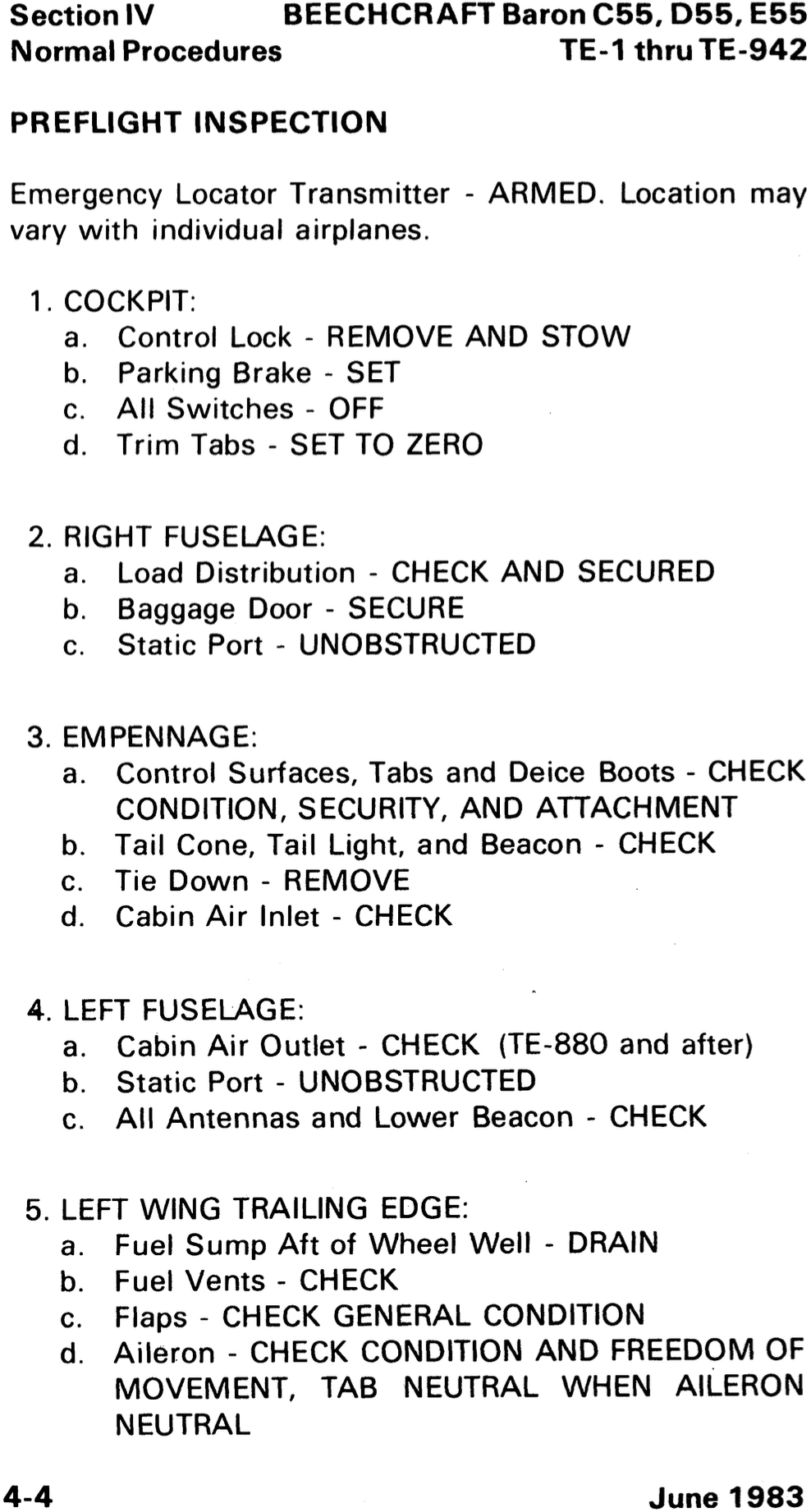
- Importance of using the appropriate checklist.
- The use of checklists during preflight is imperative to make sure no checks are overlooked, missed, or performed incorrectly
- Most aircraft checklists provide guidance in addition to and beyond the minimal guidance in the POH/AFM to ensure a correct and thorough inspection consistent with manufacturer guidance
- Often guidance in these checklists is more conservative than that specified by the manufacturer
- For example, requiring minimum oil levels above the manufacturers minimum oil level
- How to determine fuel and oil quantity and contamination.
- Fuel quantity must always be checked by visual inspection
- Make sure fuel gauges and fuel quanity set in engine management system match
- To determine fuel quantity at levels other than full, or those marked by the manufacturer in some other way (e.g. filler neck, tab) do not eyeball it -- get a fuel stick and measure it
- Fuel quality is best determined from the fuel sample obtained when draining the fuel sumps
- Check the color of the fuel to make sure it is correct, and that there is no water or particulate matter in the fuel
- Oil quantity must always be checked using a visual inspection of the level indicated on the dip stick
- Wipe the dip stick if needed to get a clear indication
- Oil quality is best determined by visual inspection of the oil on the dipstick
- Fuel quantity must always be checked by visual inspection
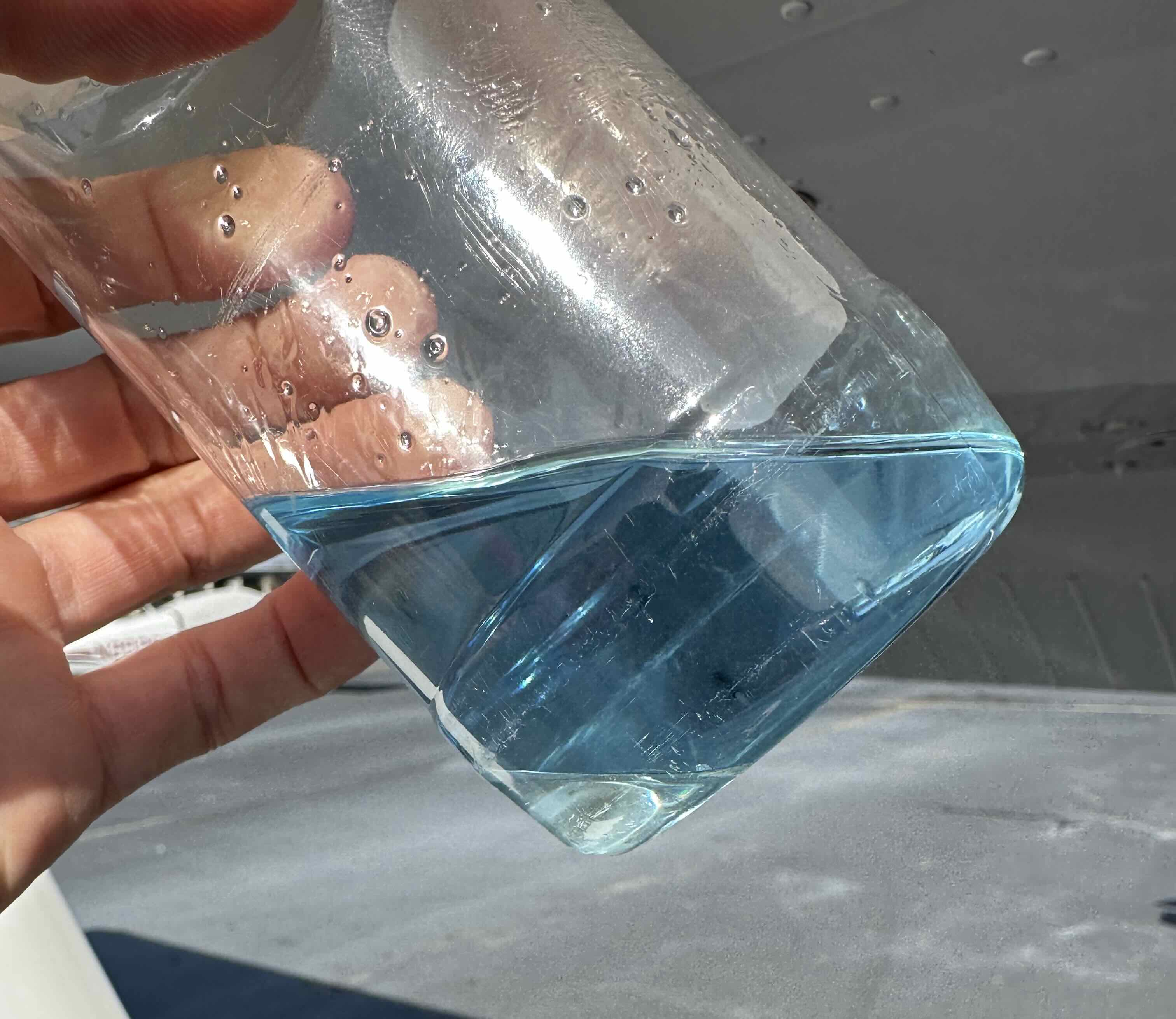
- Detection of fuel, oil, and hydraulic leaks.
- The first thing is to know the various systems on your aircraft to know where various fluids should be present, and thus where to look for leaks
- Know the colors of different fluids
- Fuel: blue
- Oil: amber to brown to blacker with age
- Hydraulic: red
- Visually inspect various places where leaks may occur during preflight
- Prop
- Brake lines and calipers
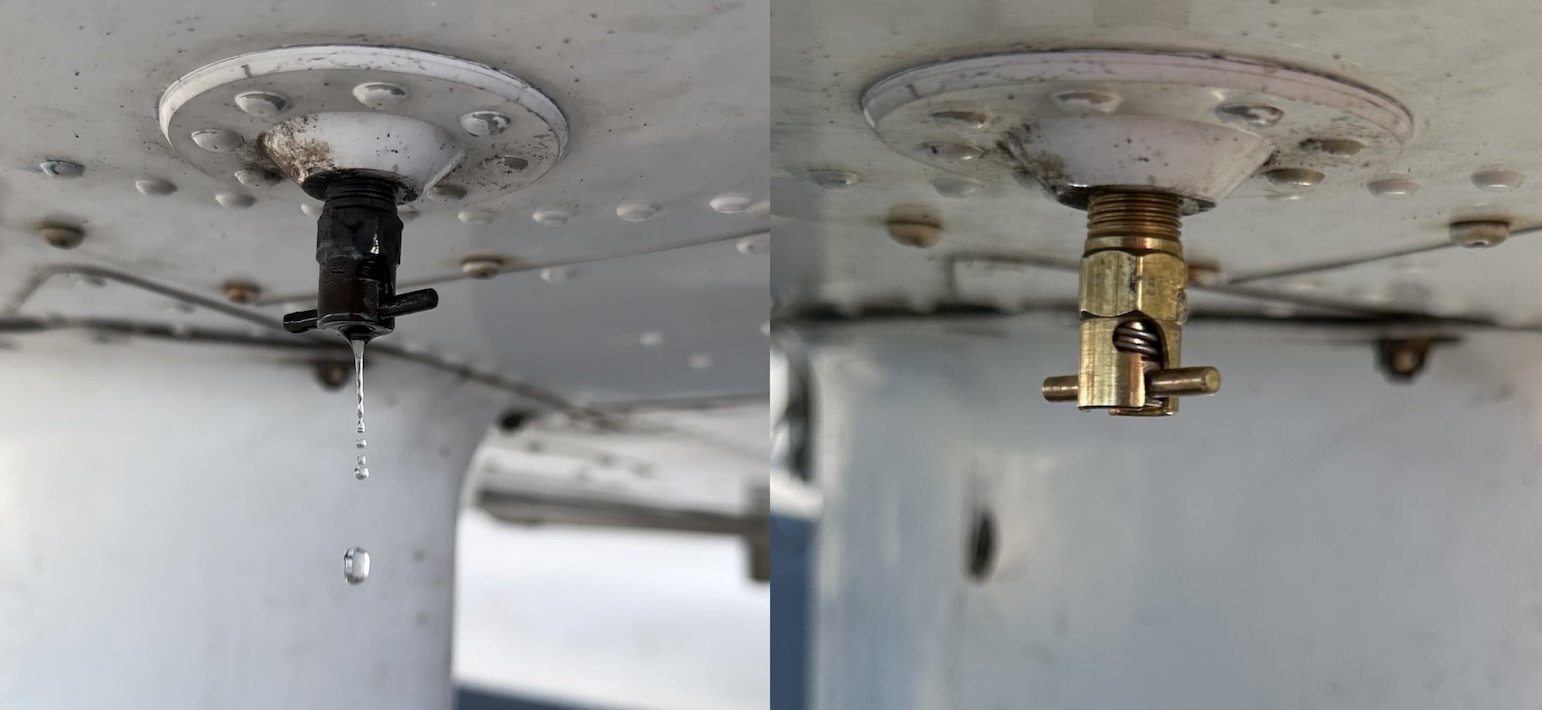
- Sumps
- Perform additional checks prior to takeoff to make final determination of leaks
- Check pressure of brakes before engine start
- Look for oil leaking from props after cycling them during runup
- Inspection of the oxygen system, including supply and proper operation (if applicable).
- N3622A used for the MEI checkride does not have an oxygen system
- Inspection of the flight controls and water rudder (if applicable).
- Inspect to the extent practicable during the preflight inspection
- Areas to inspect
- Control surfaces
- Control linkages and cables
- Hinges and fasteners
- Detection of visible structural damage.
- Planes like the Baron and many other trainers are semimonocoque construction, where the skin plays a role in the structure of the aircraft
- Inspect the exterior of the plane for damage to the skin, rivets, and other structural components
- Damage to the structure could lead to breakup of the aircraft during flight
- Removal of tie-downs, control locks, and wheel chocks.
- While these things might be obvious, they can be easily forgotten
- Use of checklists helps prevent this
- Also use a final 360 degree walk-around to make a final check of important things like this that are easy to forget
- Tiedowns removed
- Chocks removed
- Cowl plugs removed
- Pitot cover removed
- Fuel caps on
- Removal of ice and frost.
- All ice and frost must be removed before flying
- Do not assume a little bit is acceptable, as even small amount can have an adverse affect on aicraft performance
- Remove ice and frost in a way consistent with manufacturer guidance, making sure not to damage the aircraft
- Some common methods include
- Brush to remove snow
- Alcohol spray
- Turning the aircraft to face the sun and let it melt
- Importance of the proper loading and securing of baggage, cargo, and equipment.
- The two main resons for loading and securing baggage, cargo, and equipment are
- Make sure the balance of the aircraft does not change in unintended ways during flight
- Prevent injury to the occupants or damage to the aircraft if cargo shifts during flight
- The two main resons for loading and securing baggage, cargo, and equipment are
- Use of sound judgment in determining whether the airplane is in an airworthy condition for safe flight.
- Follow all the guidance above
- When in doubt do not fly
- Gather more information if necessary to determine the aircraft is airworthy
Environmental Factors
- Including weather, terrain, route selection, and obstructions.