E55 Baron (Late) Systems
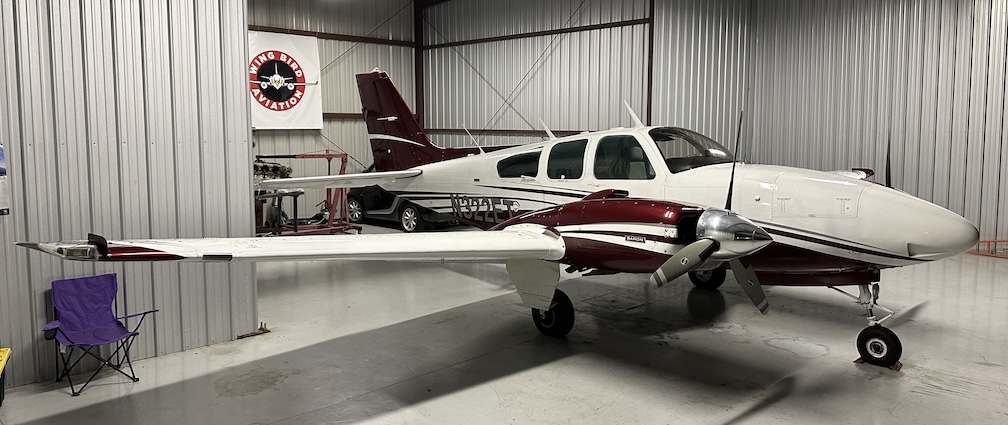
This document describes the systems on Baron N322ET.
Overview
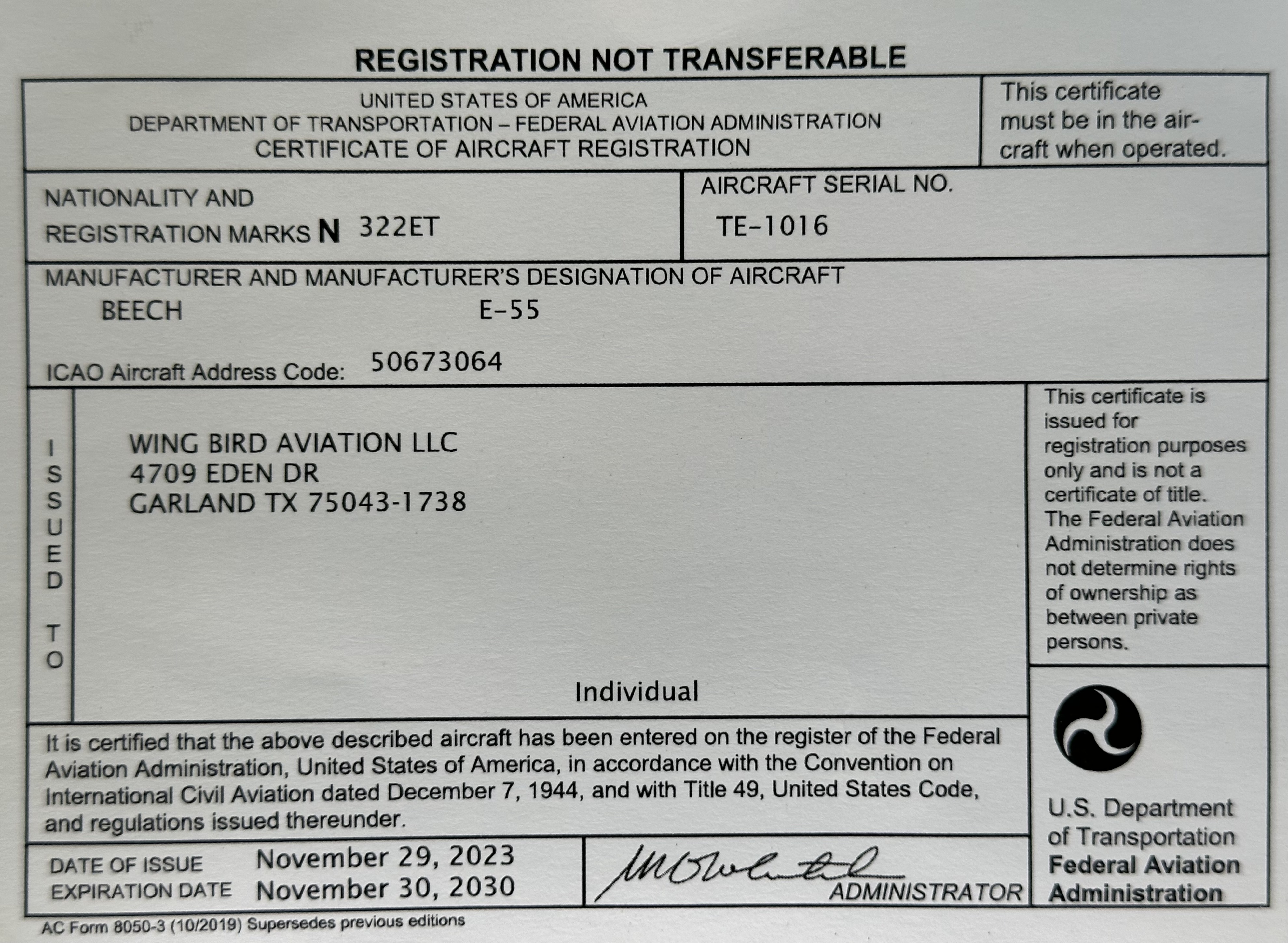
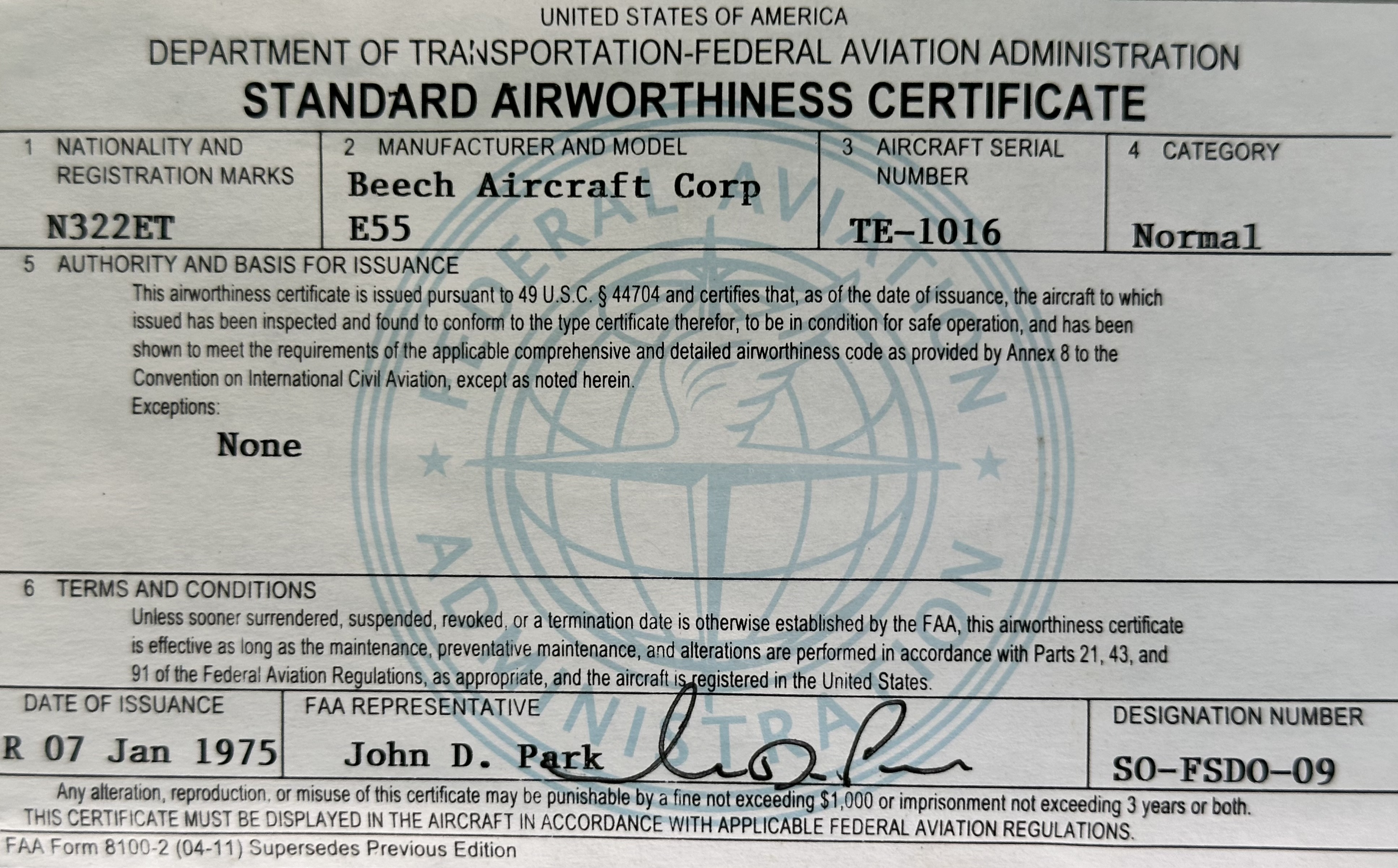
- N322ET
- Serial TE-1016
- Model: E55
- Year: 1975
- Max takeoff weight: 5300 lb
- Max landing weight: 5300 lb
- The following sections cover all the systems as described in CFI ACS Part II Task E. Aircraft Flight Controls and Operation of Systems
Primary Flight Controls
- Electric trim on pitch axis only
- There is a separate breaker for pitch trim servo
Secondary Flight Controls
- Flaps
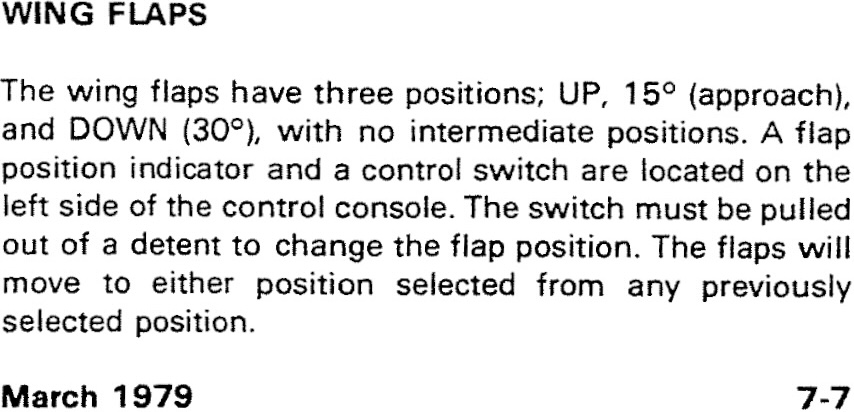
- Electrically actuated
- Positions
- 15° (Approach)
- 30° (Full)
- Slotted type
- POH page 7-7
- The switch must be pulled out of a detent to change the flap position
- Note: the flap position indicator on N322ET does not work
Powerplant and Propellers
- Engine Overview (CHAND)
- C - Continental IO-520-C
- Fuel injected
- Six-cylinder
- Rated at 285 horsepower at 2700 rpm
- H - Horizontally opposed
- A - Air cooled
- N - Naturally aspirated
- D - Direct-drive
- C - Continental IO-520-C
- Engine lubrication and cooling
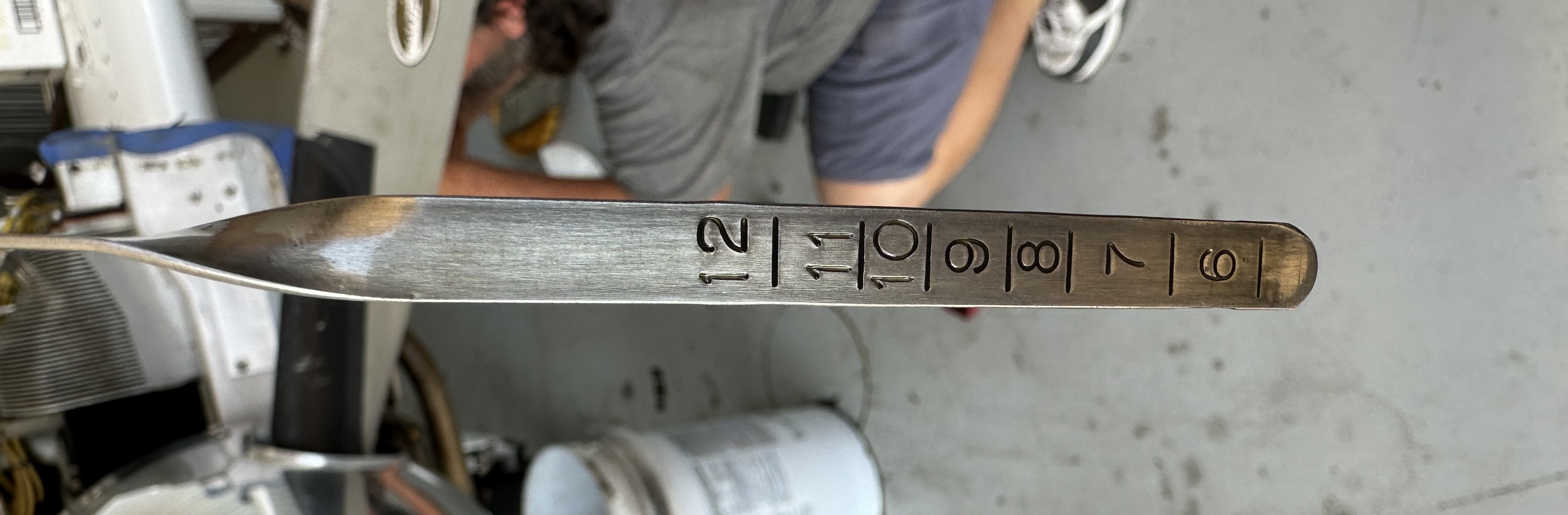
- 12 quart oil capacity (page 7-25)
- No published minimum oil, Company policy is 9
- Minimum
- Has thermostat to control flow through oil coolers
- Oil type is SAE 50 (above 40 °C) or SAE 30 (below 40 °C)
- Cowl flaps manually actuated
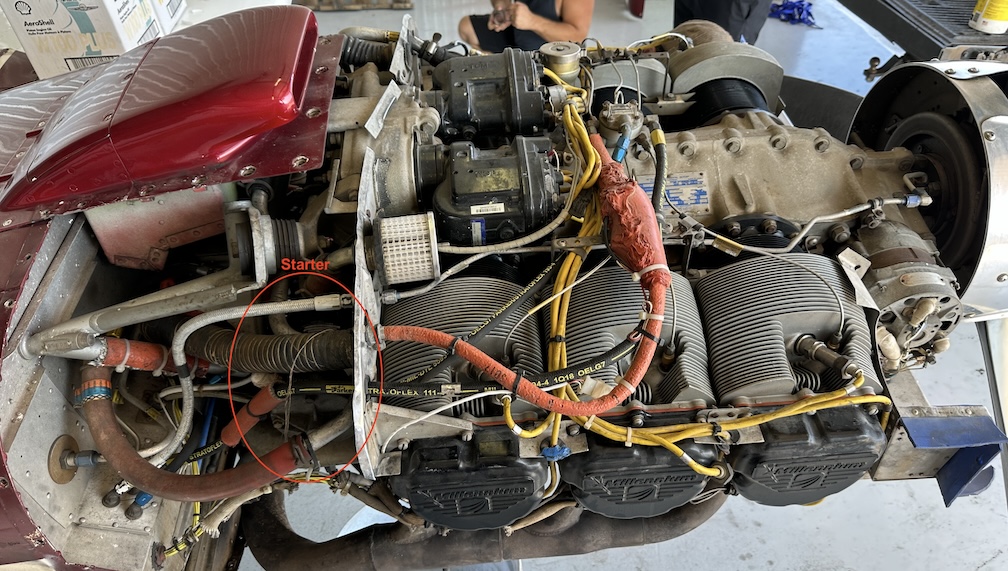
- The starter is located on the rear of the engine
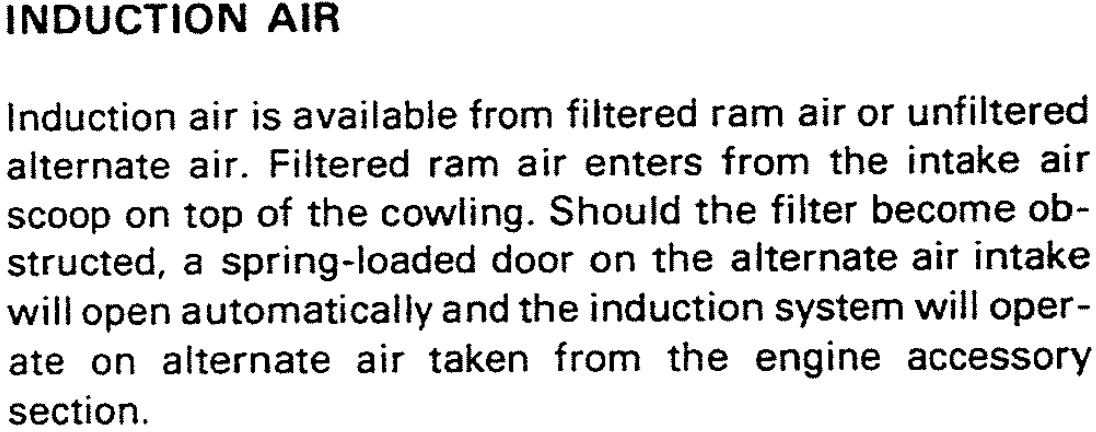
- Induction System
- N322ET induction system draws air through the ram inlets and draws it through a filter
- Some Barons have an induction selector that allows for selection of filtered or unfiltered ram air
- Propeller system
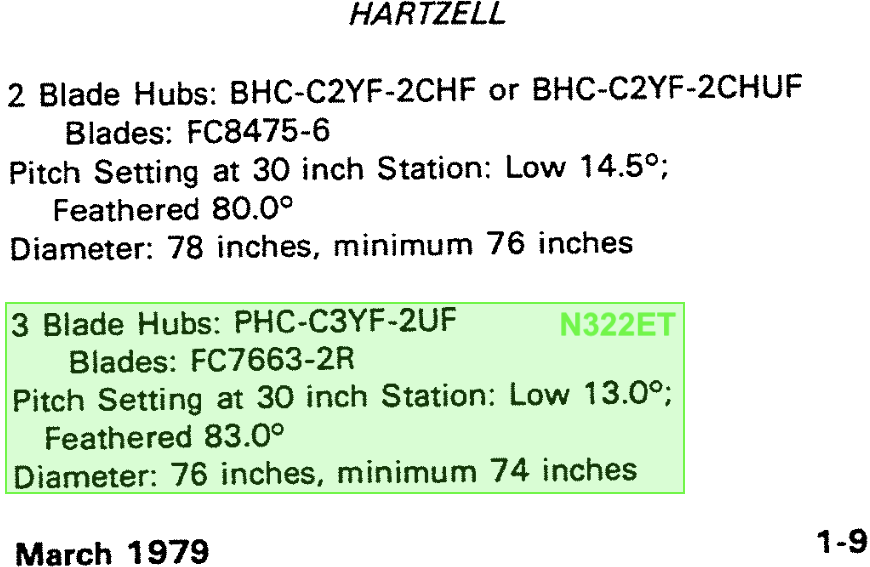
- 3-bladed
- Hartzell
- P/N: PHC-C3YF-2UF
- 76 inch diameter
- Variable pitch
- Constant speed
- Full-feathering
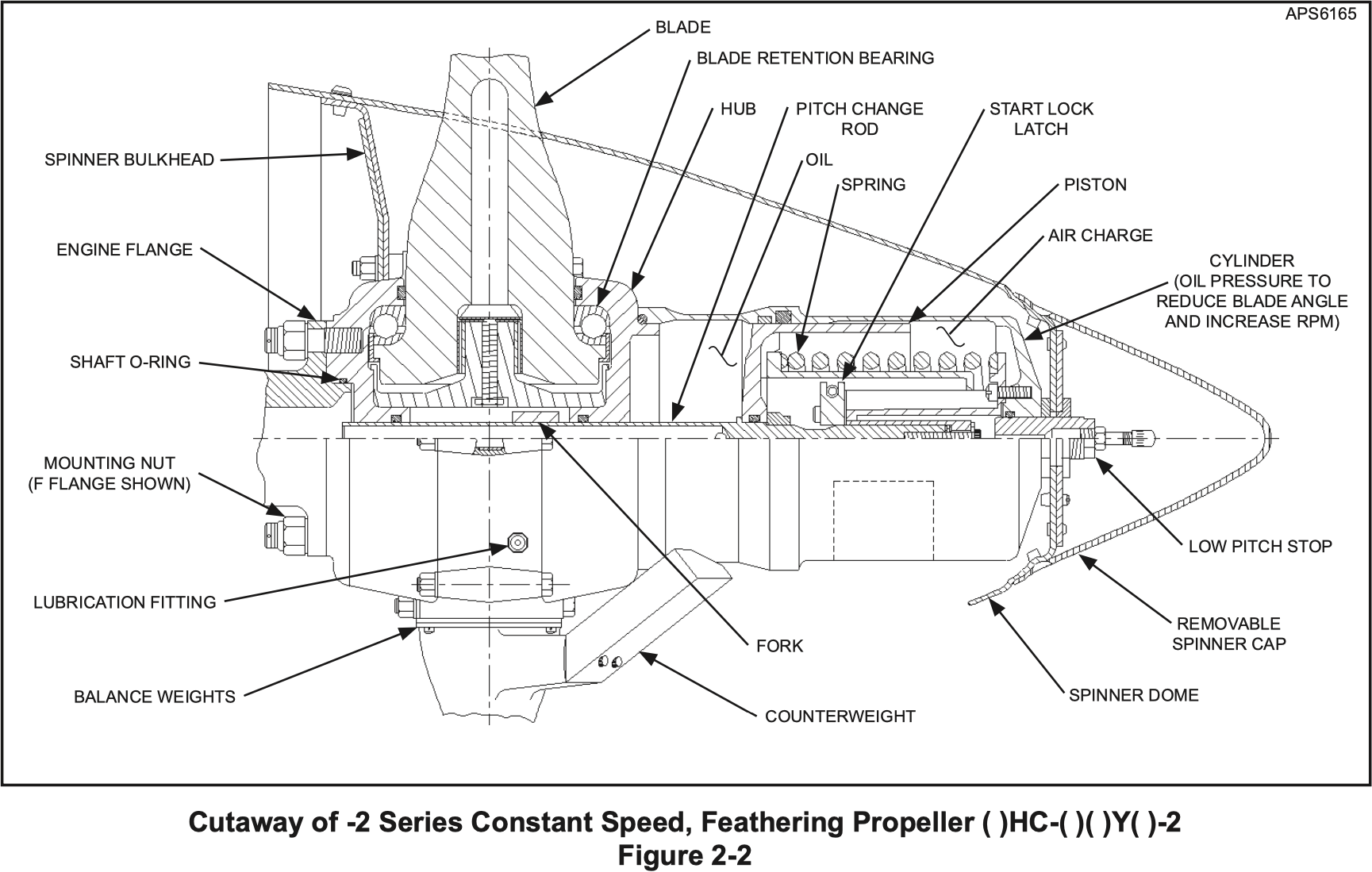
- Forces moving prop to feather (high pitch)
- Springs
- Counterweights
- Air charge
- The air charge is not explicitly mentioned in the POH, but is in the prop guide for the propeller
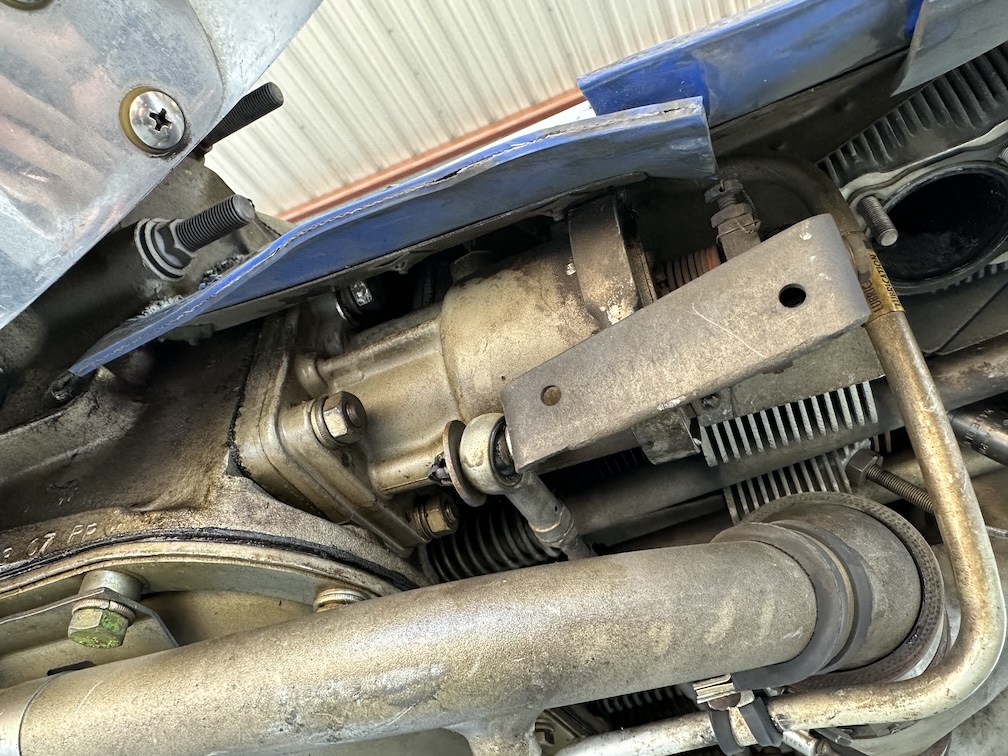
- Engine oil under governor-boosted pressure moves the blades to low pitch
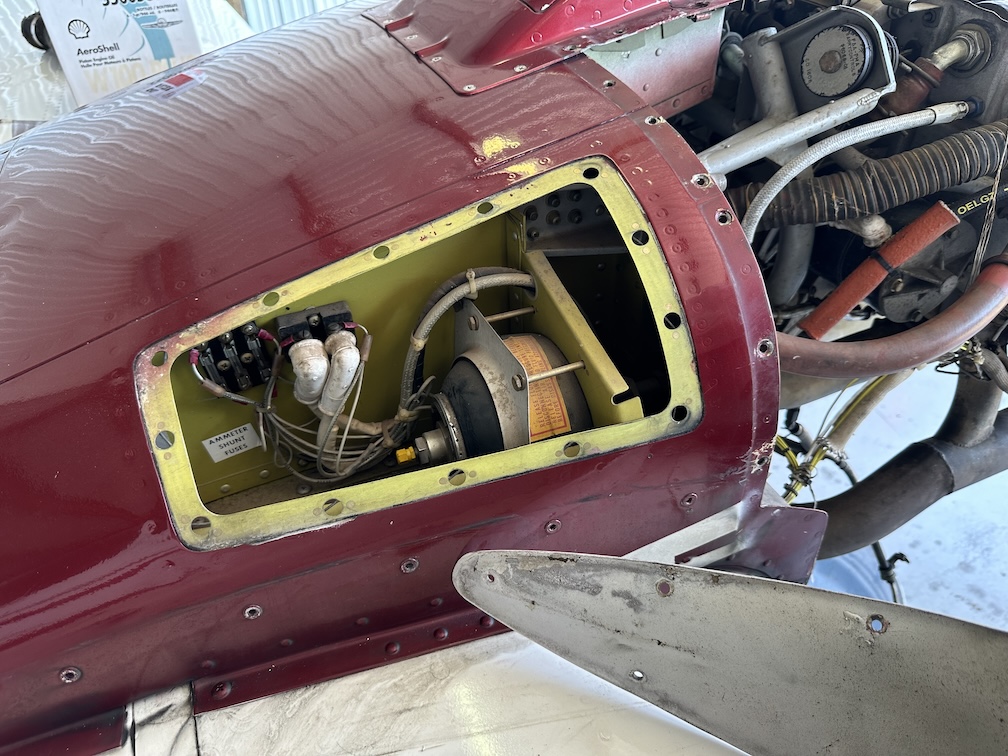
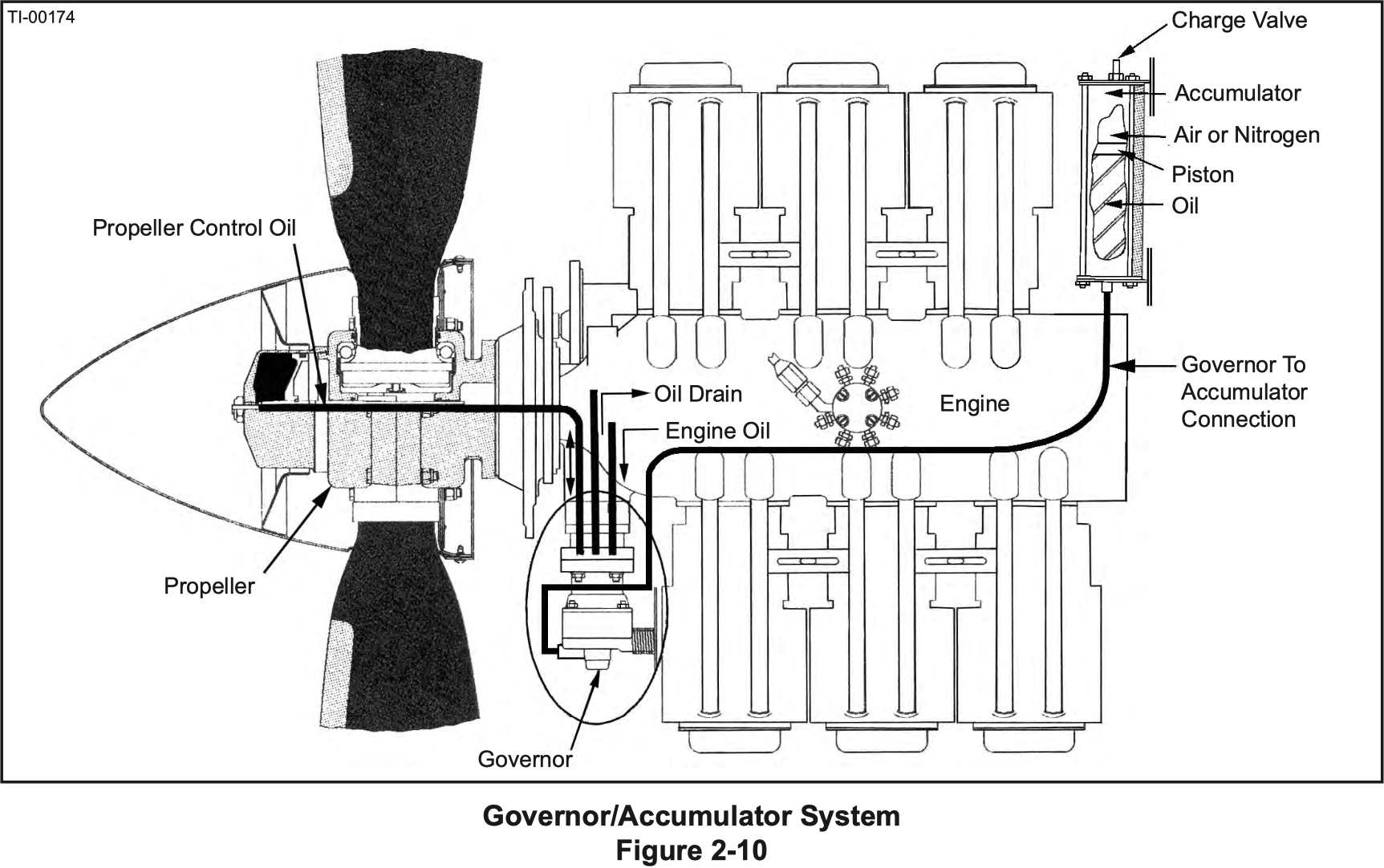
- Has unfeathering accumulators
- Gas-assisted pressure to drive oil back into the propeller dome to get the propeller on a stopped engine (that isn't producing oil pressure) out of feather
- Unfeathering accumulator like a balloon, when oil pump is going its blowing up the balloon
- Feather is pinching the balloon closed
- In prop big spring with nitrogen charge inside to push oil out
- Counterweights on prop to drive prop to feather
- POH page 7-20
- 3-bladed
Landing Gear
- Electrically actuated
- Squat switch on left main
- Additional squat switch on right main for logging flight time used for maintenance
- See https://www.csobeech.com/gear-rod.html for lots of gear mechanism pictures
- Gear
- Three gear down lights, one for each gear
- Gear lights dim when nav lights are on
- All three up switches in series = one red light?
- Gear extended closes the squat switch
- Gear has warning horn
- Hear it on short final, no hesitation -- go around immediately
- Amber light when in transit
- Nose gear has springs between rudder pedals and turning mechanism
- There is a button to test all the gear lights
- In N322ET the test light does not illuminate
- Landing gear warning horn does not work
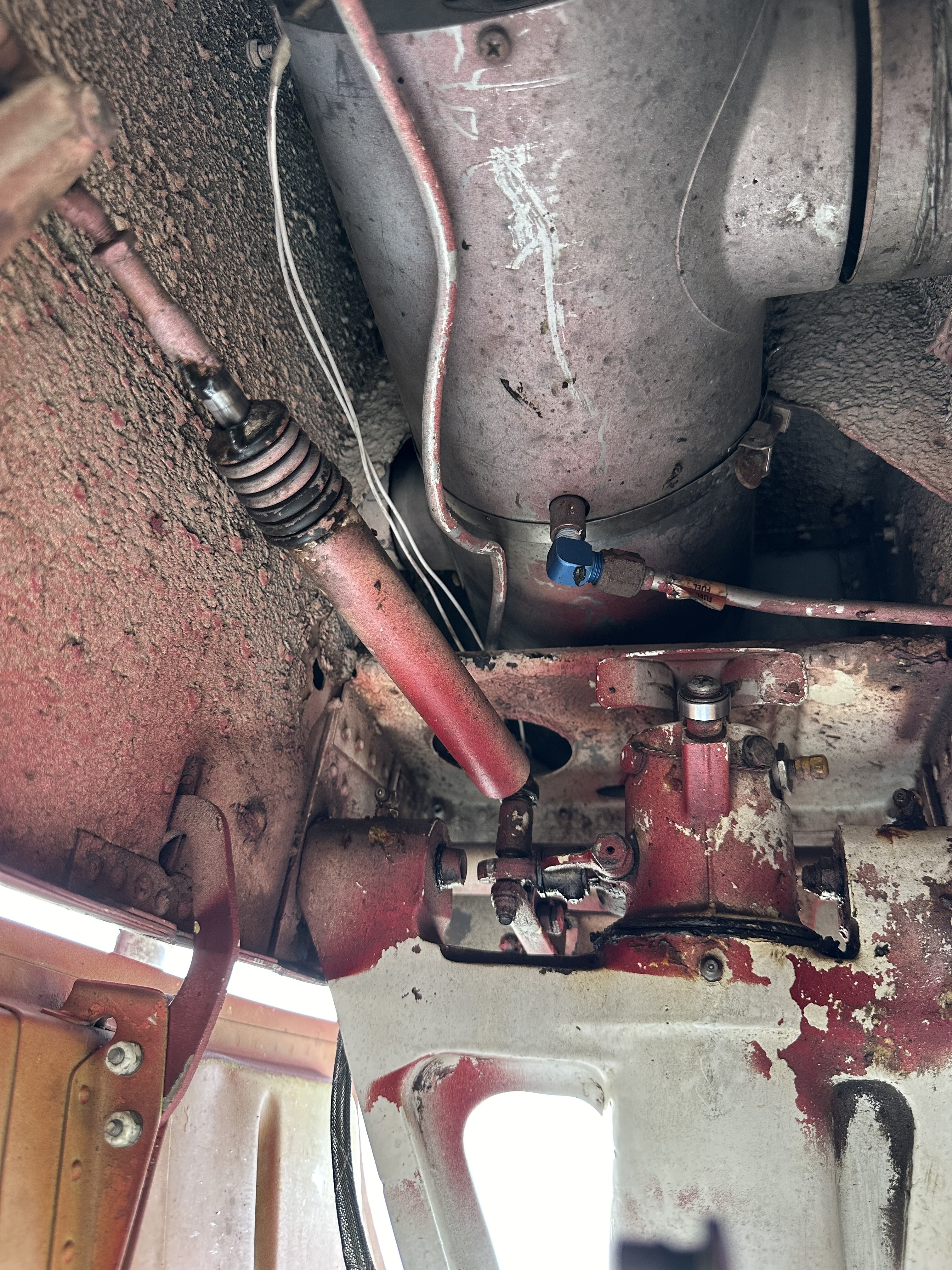
Fuel, Oil, and Hydraulic
Fuel System
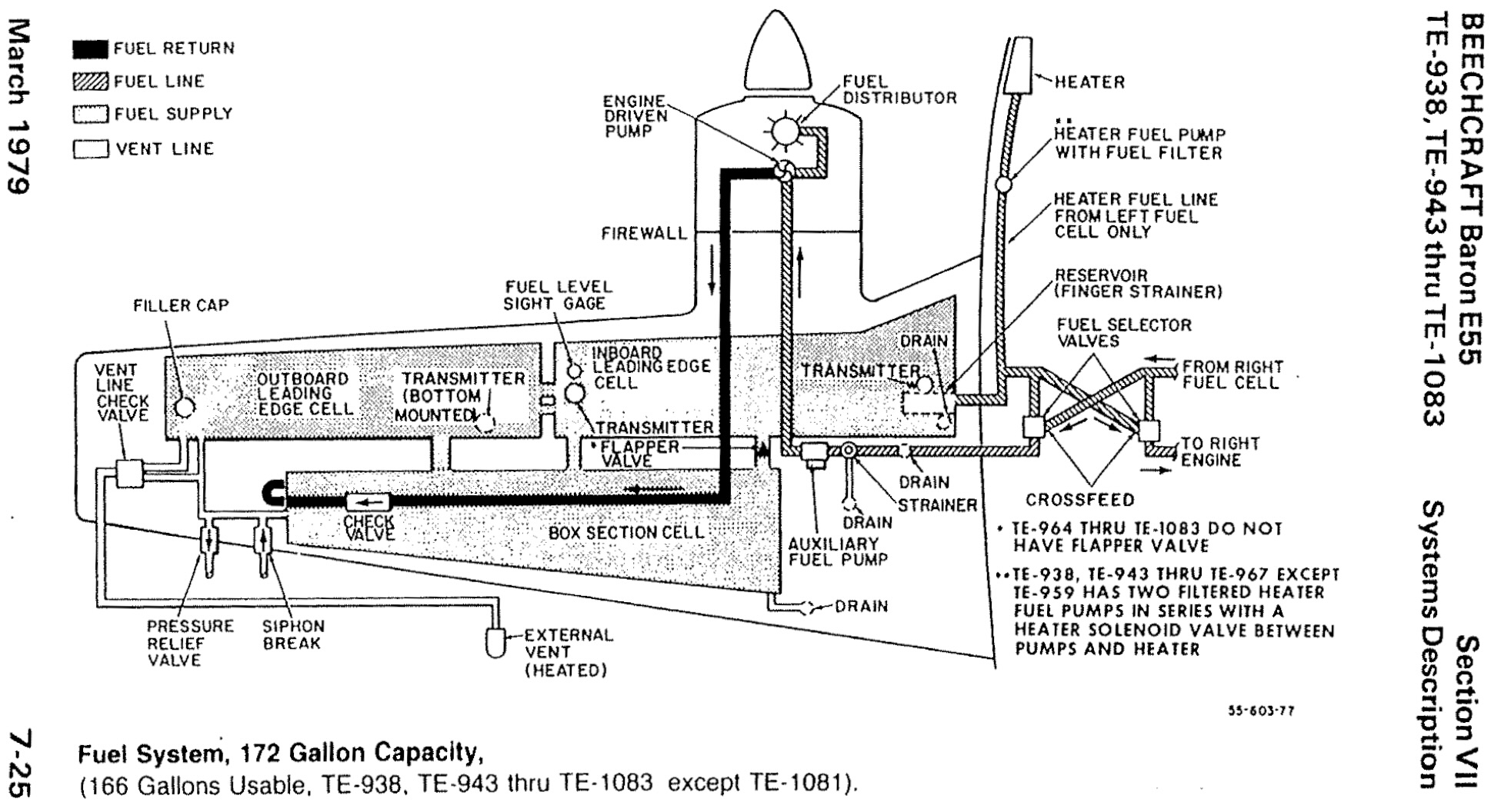
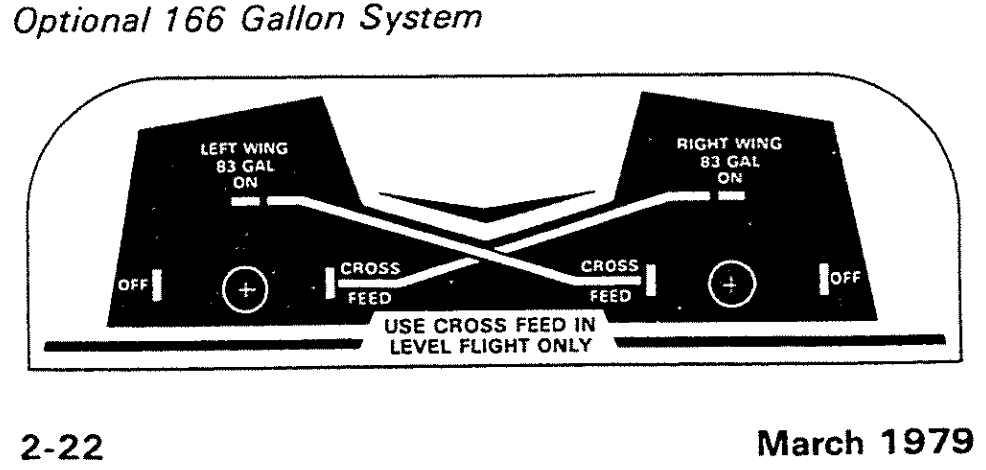
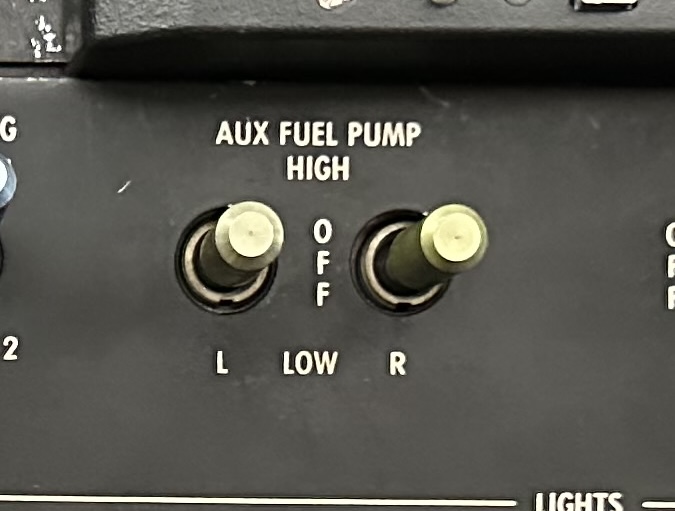
- Fuel capacity 172 gallons total, 166 gallons usable
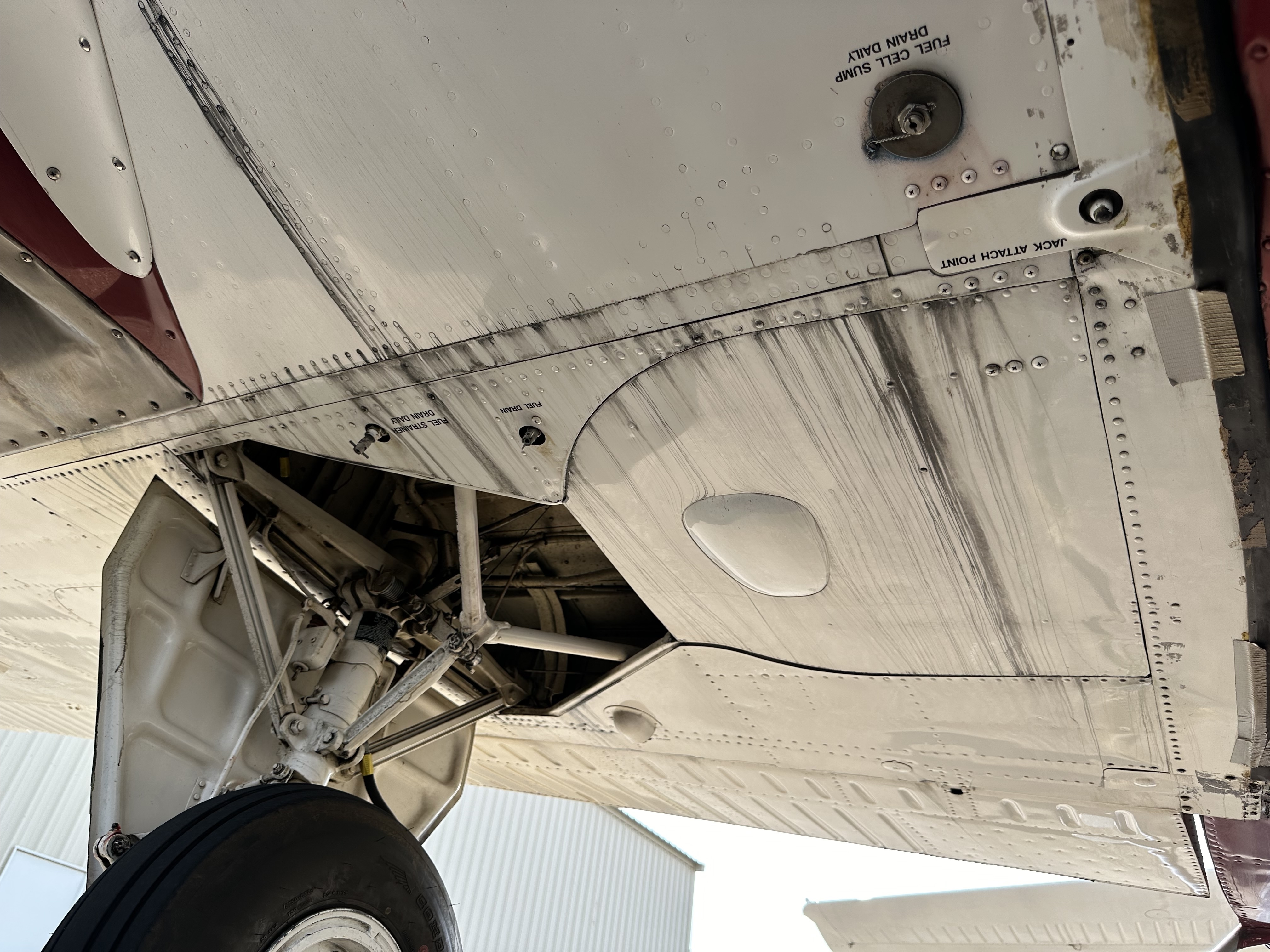
- 4 sumps per side
- 1 for inboard cell, 1 for box cell, 1 for base of fuel line, 1 for strainer
- Fuel always returns to the tank on the same side as the engine
- Float type fuel sensors
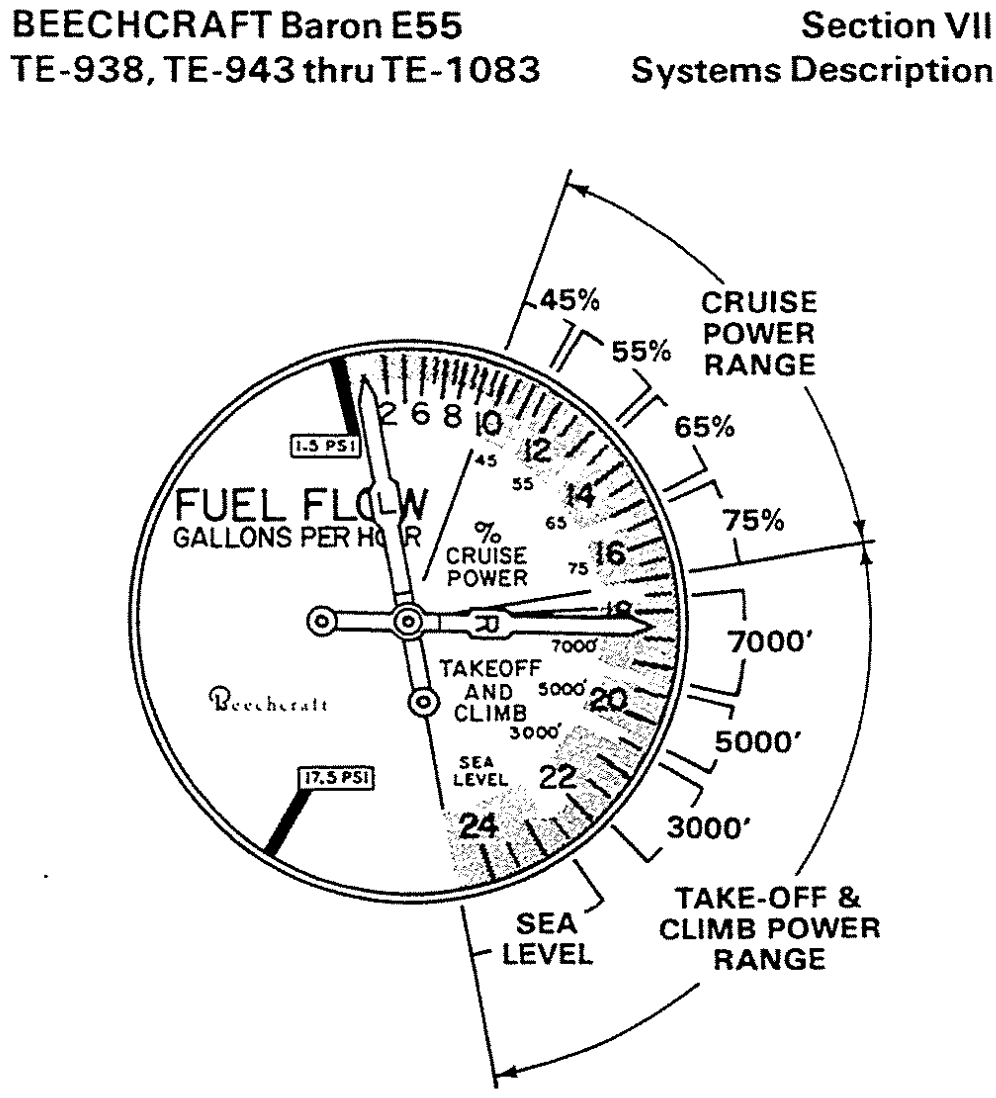
- Note: in N322ET the fuel flow on right engine is a bit less than left when mixture handles are full rich
Oil System
- See above with powerplant
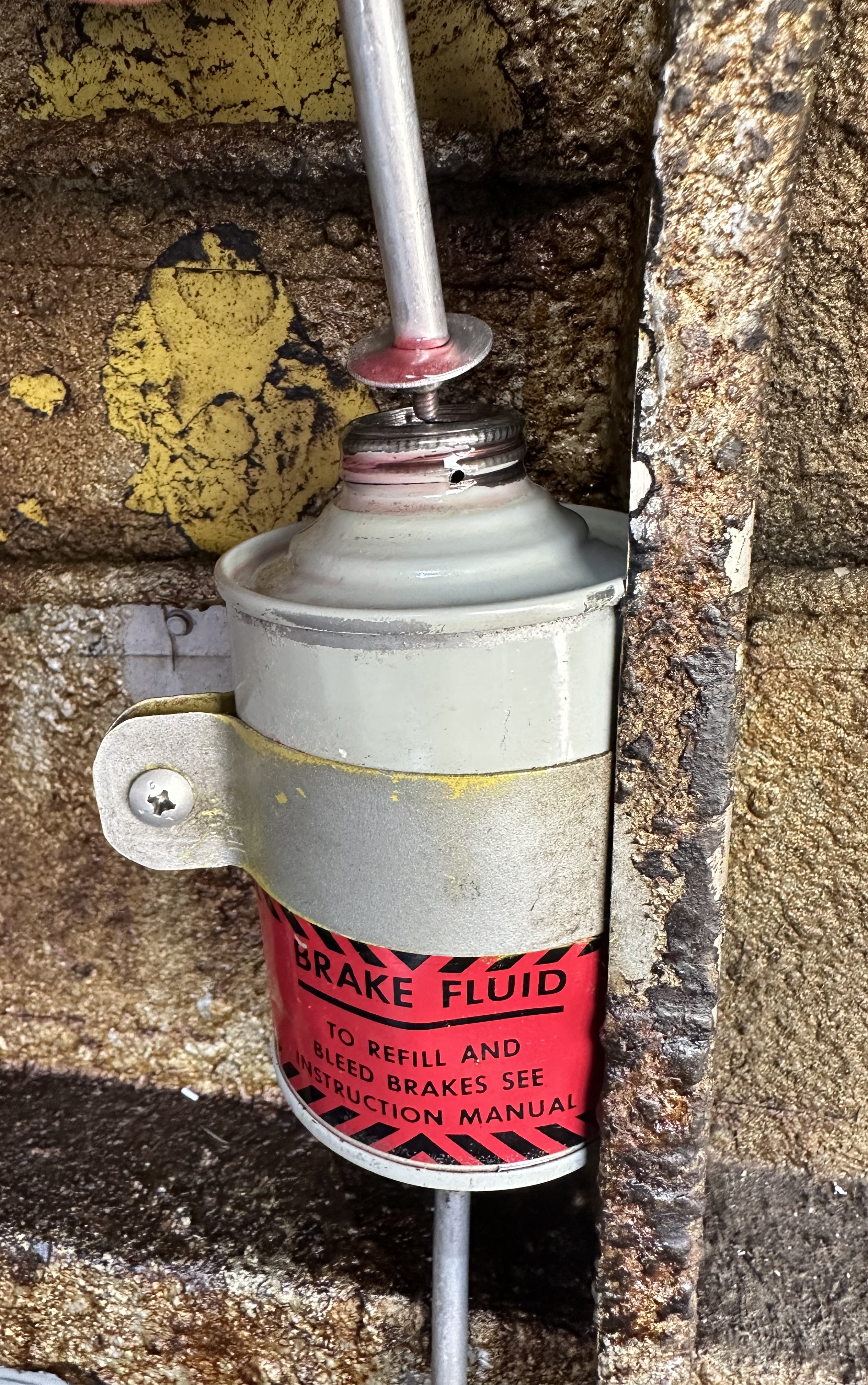
Brakes (Hydraulic)
- Do not leave the parking brake set when the plane is unattended
Electrical
- 24 volt electrical system
- Two 12 V lead acid in series
- Two 50-amp 28-volt gear driven alternators
- 2x full transistorized electonic voltage regulators
- Only one is active at a time controlling output of both alternators
- Other one is backup or standup
- One loadmeter for each alternator
- Stall switch is wired directly to the battery
- See POH page 7-29
Avionics
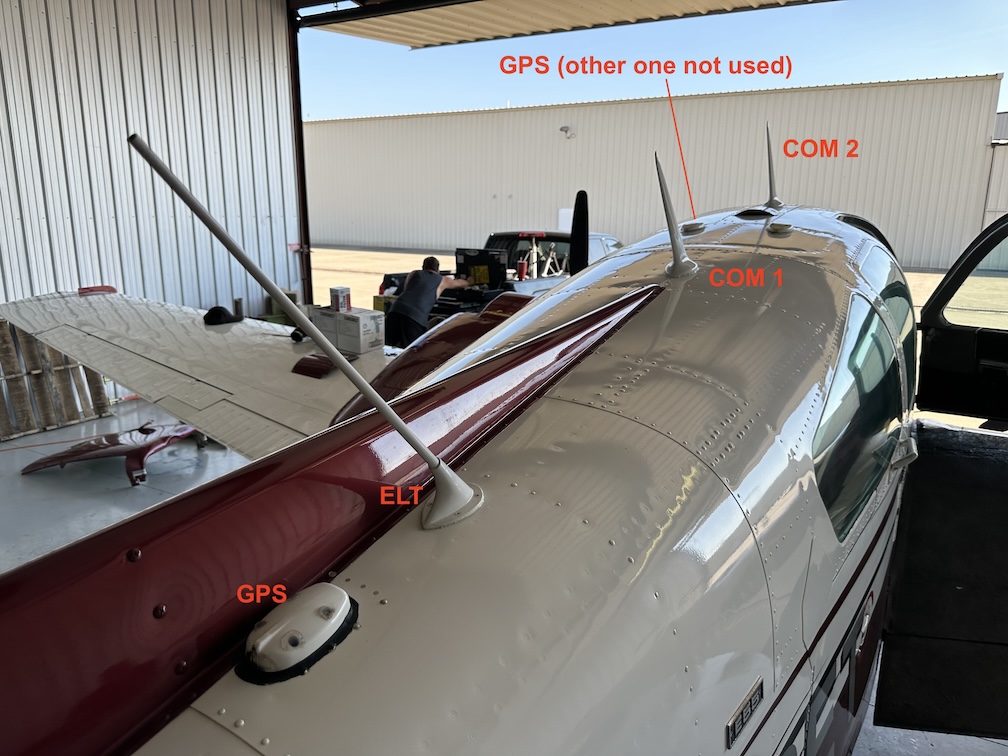
- GNS 430W - com 1
- GNS 530 (no waas) - com 2
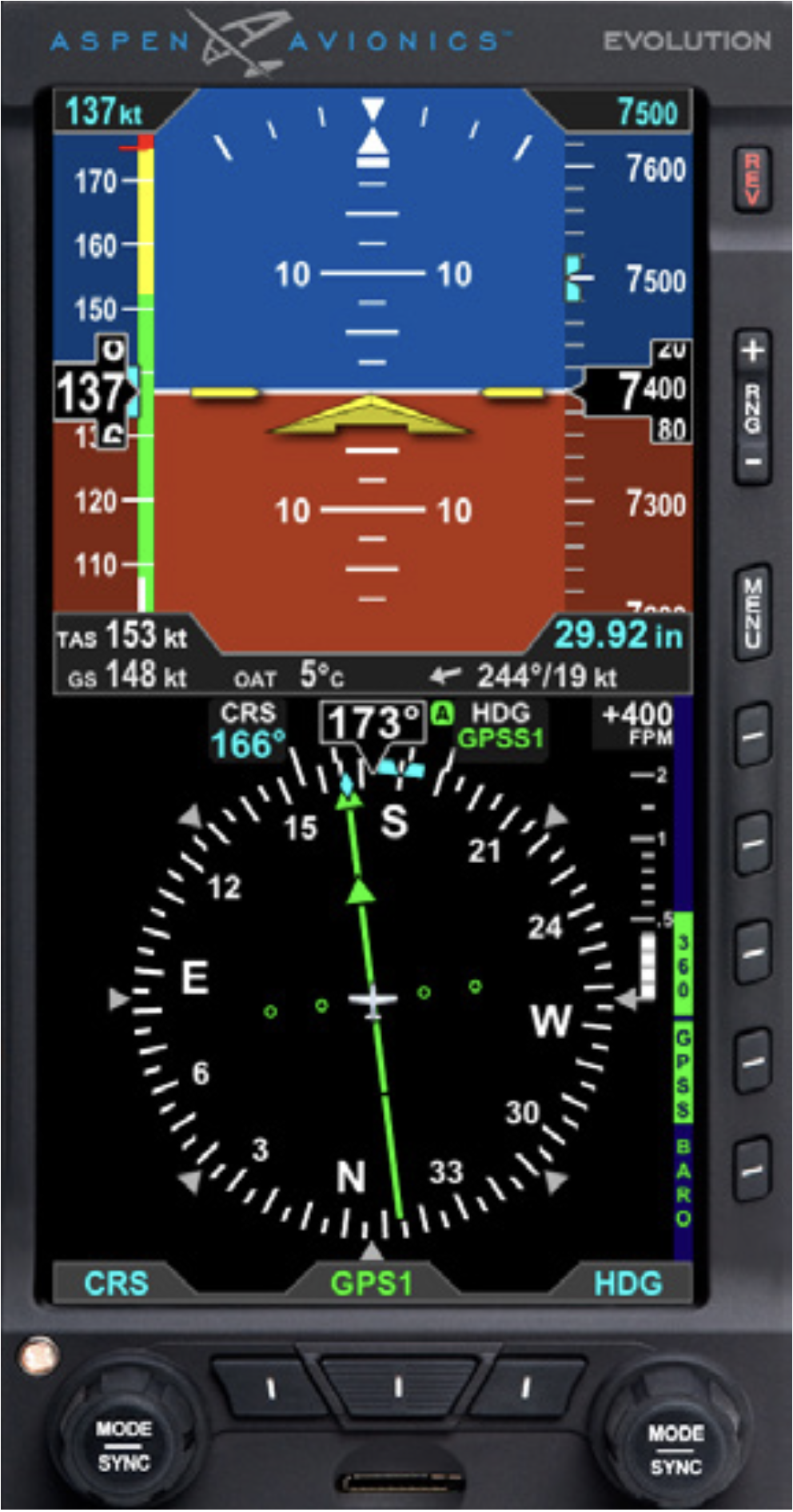
- Aspen Evolution flight display
- Attitude indicator
- Altimeter
- Airspeed indicator
- VSI
- HSI
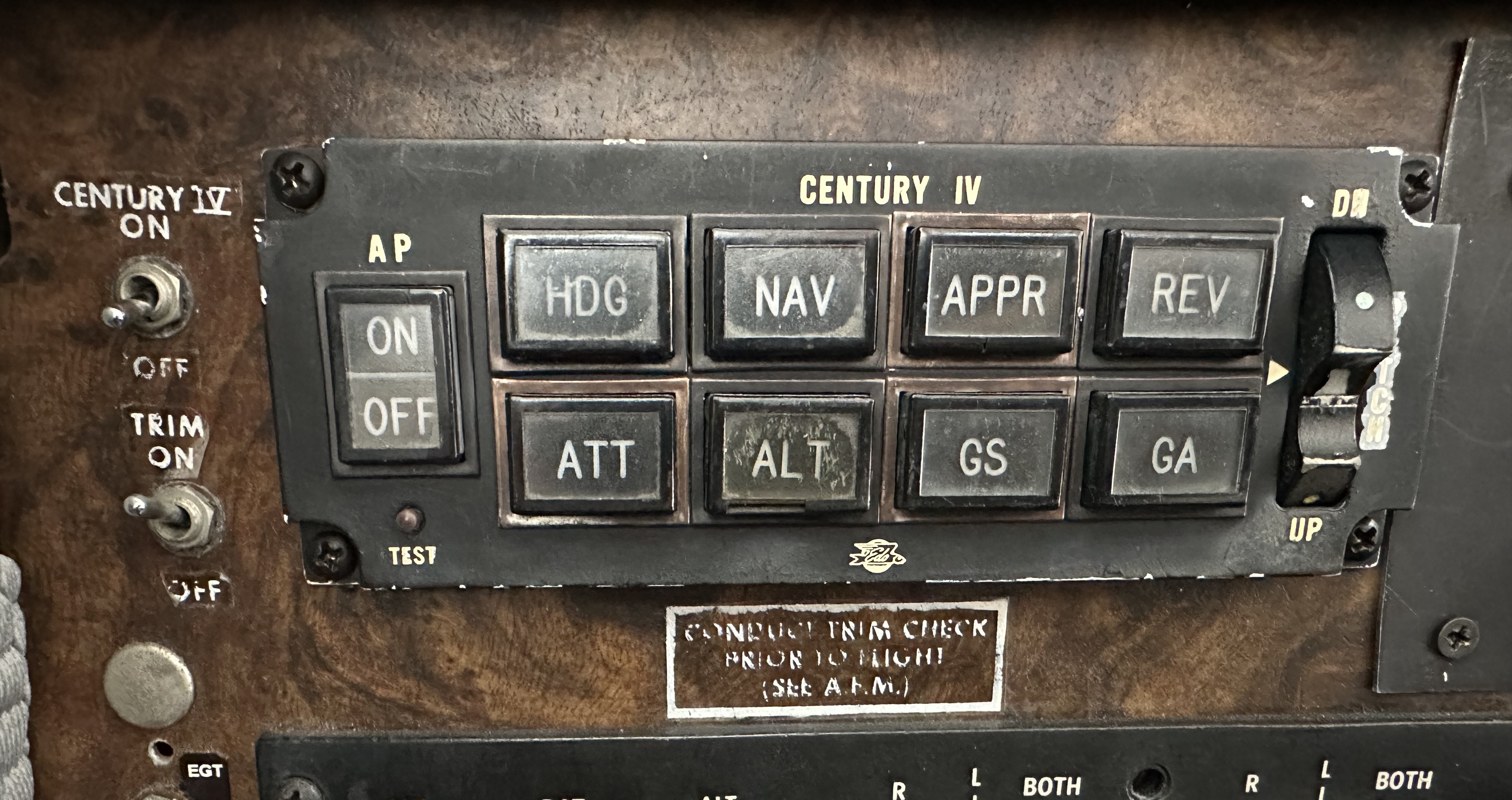
- Century IV autopilot
- Autopilot doesn't directly depend on pressure system
- But it draws info from the standby
- 2-axis autopilot - pitch and roll
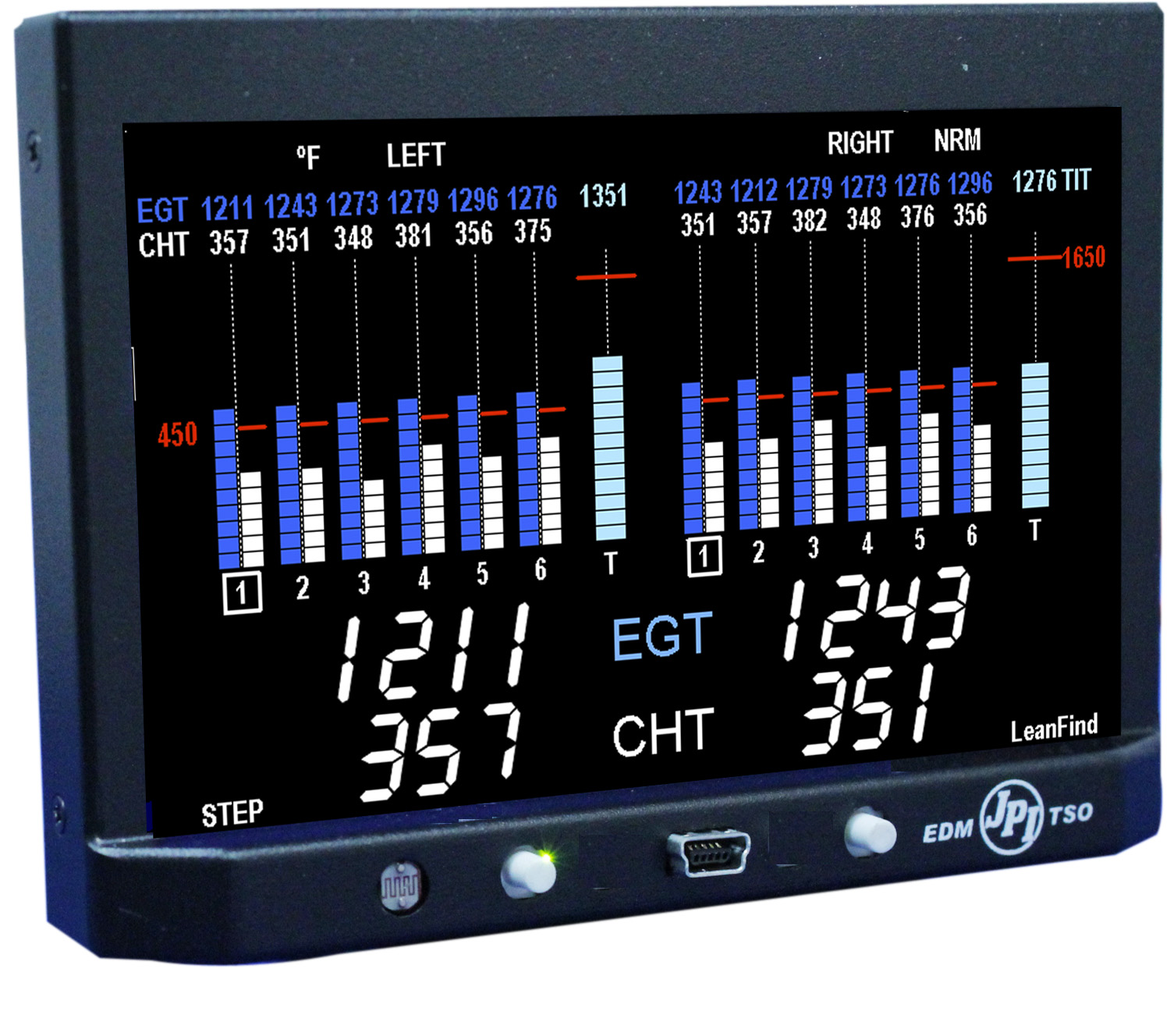
- JPI EDM 790
- Has a synchroscope that is inoperative
Pitot Static, Vacuum/Pressure, and Associated Instruments
- One pitot tube on the nose
- Two static ports on left and right aft fuselage
- There is a positive pressure system that powers the standby attitude indicator
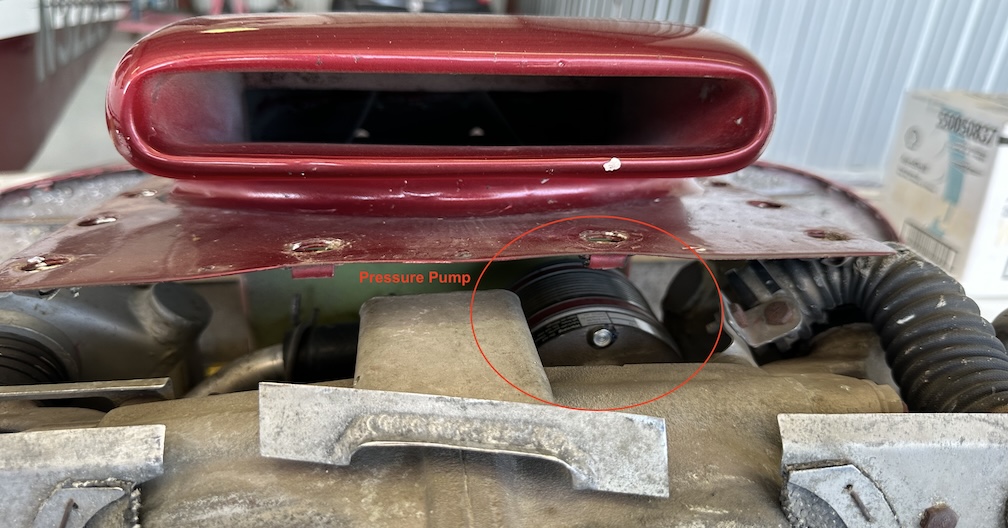
- Two engine-drive dry-pressure pumps
- If one pump fails, check valve seals it off and other one powers system
- There are lights inside the pressure gauge indicating which of the pumps failed
- There is little filter for intake above the rear cylinder
- There is another filter behind the firewall
- Alternate static red lever left lever by pilot side left shin

Environmental

- Air Conditioner
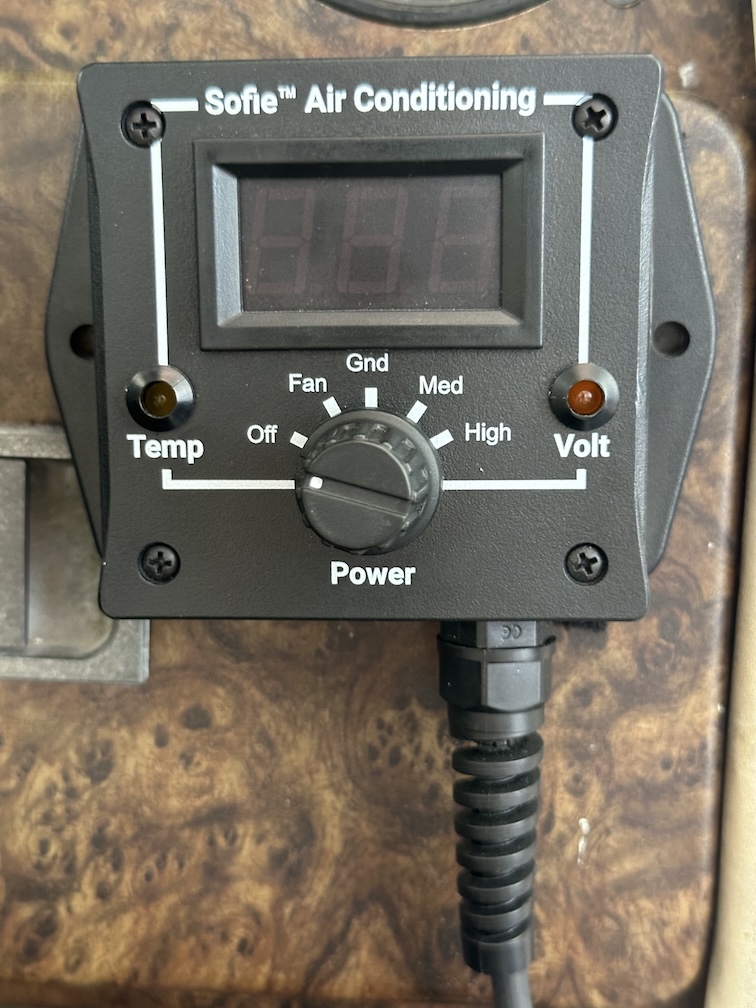
- Controlled by Sofie dial
- Off
- Fan
- Gnd
- Med
- High
- If you just want fan only need one alternator
- To turn on AC need both alternators on
- To get AC on ground need at 1000 RPM on both engines to supply enough power
- If it overheats it will shut itself off automatically
- Intake for AC condensor under fuselage
- Controlled by Sofie dial
- There is vent on left rear fuselage to let air out of cabin
- Heater
- Cabin heat controls temperature
- Cabin air controls amount of airflow
- Reducing cabin airflow allows for warmer air, but reduction below half turns off the heater
- Pilot air controls airflow to the back seats via vents below the front seats
- Blower only works on the ground

Deicing and anti-icing
- Prop and windscreen anti-icing
- Pitot heat
- Heated fuel vent?
- We have ice lights
Oxygen System
- No oxygen system